Showing posts with label goals. Show all posts

Monday, January 10, 2011

Lucky #7 - 7 things to reuse, 7 things to avoid

I just found this site called Greenopolis and while I haven't explored it fully, I found two fun and useful articles for the time being.

#1:

The Magnificent Seven: 7 Top Materials To Use And Recycle!


For millennia we used leather, wood, clay, and stones along with animal and vegetable materials for nearly everything. When we threw something “away”, it went away- really back into the natural systems it came from.

But 7 billion of us can’t rely strictly on grown materials, and most of our modern materials don’t go away very easily. Does that mean we should not use them? Not at all. We just need to get as smart as Ma Nature and learn to reuse and recycle those materials again and again. These Top 7 materials are safe, recyclable and just work really well for so many things. They include 2 metals, 3 plastics, and 2 natural materials. Here’s my list:
  1. Steel. Steel is probably the most recycled material on earth- about 70 % of all steel is recycled and nearly all the steel you use has recycled steel in it. Works great because of its strength and malleability. I’m a big fan of steel roofs, among other things.

  2. Aluminum. Abundant in nature, strong but lighter than steel, and it doesn’t rust. Aluminum is what caps the Washington Monument because it was once so prized. But mining and smelting aluminum is very energy intensive and polluting. That’s why recycling it is so important. Right now about 50% is recycled- we need to get that up into the 90% range like gold.

MORE...

What I want to know about this article is how it mentions recycling bottle lids. If anyone knows how to do that or can point me in the right direction, I'd be grateful! Sometime soon I will research this myself.


#2


7 Deadly Sins: 7 Materials To Avoid

In the Church Of Green Living, some sins are more deadly than others.


Little sins like forgetting to recycle paper can be overlooked, unless you are a newspaper publisher. But some are to be avoided at all costs. Here’s a list of 7 substances that cause real problems in the environment, and that we can avoid by taking a few simple steps in our lives.


  1. 2Polyvinyl Chloride, aka PVC, aka Vinyl aka #3 plastic. We’ve all got some vinyl in our houses, on furniture clothing, plumbing pipes- it’s the third most common plastic. But it usually has bad stuff that can leach out of it, like diethylhexyl phthalate, which is banned in Europe, vinyl chloride and dioxins.  The U.S. Green Building Council states that the "risk of dioxin emissions puts PVC consistently among the worst materials for human health impacts”.  You probably don’t have to strip off your vinyl siding, but avoid toys (including sex toys) with PVC. You don’t want it in or near you or your kid’s body.
  2. 2Polystyrene, aka Styrofoam, aka #6 plastic. Polystyrene is not easily recycled because of its light weight (especially if foamed) and its low scrap value. Discarded polystyrene does not biodegrade for hundreds of years. Commonly used in coffee cups and clamshells for food, it contains benzene, a known carcinogen, and while the FDA claims it is safe, there are studies concerning polystyrene containers used for food packaging which find that styrene oligomers migrate into the food and may increase thyroid hormone levels. It’s your call if you want your hot coffee or entrĂ©e served up in polystyrene. I avoid it.
MORE...

In this article it's these first two that bother me the most.  Partially for their poisoning rap but also (and, let's face it, MOSTLY) for the fact that I'm so good about not throwing away all kinds of other stuff, including stuff that breaks down faster (food --> composting) but I still get styrofoam take out containers and plastic crap off of the kid's toys. I think my next big goal is going to be to figure out how to cut back on using these items. NO STYROFOAM! grrrr....

Friday, December 3, 2010

Green Holiday Tips

IT'S CHRISTMASTIME! Ok, well, at least I'm trying to psyche myself up for the Holidays even though I'm guessing this year I'll probably get coal (getting older is a bitch) and only a couple people have RSVP'd to my White Elephant Gift party =(. However, what I'm still psyched about is being green and luckily, green is one of the colors of Christmas! So here are some tips courtesy of the Denver Zoo and modified by me. Did you know that the Zoo is doing it's part to be green this year by using all LED lights in their Zoo Lights display? LED lights use 1% of the energy of traditional lights and 10% of the energy of little lights.  Also, if you guys are local, definitely check this out...it's going to be AWESOME!

Denver Zoo Lights!

Go green this year for Christmas
Your Christmas Tree
  • After the holidays, don’t just throw your tree away- Recycle it! Denver Recycles offers free pick up of your Christmas tree.  Visit their website, www.recycleyourchristmastree.com, for specific rules and regulations regarding when and how to have your tree picked up.  They list tree pick up by county to make it easy for anyone in Colorado to recycle their tree. (out-of-staters check for something like this in your area!)
  • Instead of purchasing new ornaments this year for trimming your tree, try edible or compostable items like popcorn or cranberries on a string, gingerbread cookies or items made from recycled objects around your home.
  • Or...get a fake tree! Reuseable every year!


Your Holiday Decor

  • Purchase holiday lights made with energy-saving, light-emitting diodes, or LEDs. LEDs use only a fraction of the energy of conventional bulbs and are much better for the environment. LEDs use only about one percent of the power of standard (C7) holiday lights, and about 10 percent of the power in mini-lights. Try www.environmentallights.com
  • Get outdoor light strands that are wired in parallel. These have separate circuitry so that if one bulb blows out the rest will keep shining; all you have to do is replace the bulb rather than the entire strand of lights. Strands sold with series wiring stand or fall together, making it almost impossible to find and replace a single blown-out bulb.

Sending Your Holiday Cards

  • Send E-Cards and you will not waste a single tree.
  • Send cards made of 100 percent recycled paper or tree-free cards made by environmental organizations. In addition to "tree free" cards, you can get cards made of old subway maps, cards made of recycled junk mail, and cards that you can plant which are imbedded with a seed mixture that will grow in the spring.
  • Glue pictures from old cards onto homemade or store-bought recycled paper to create new cards.Yay crafty!
  • Glue pretty paper on the inside of old cards to cover previous writing--and send them again.
  • Avoid cards with glossy, shiny or gold foil coatings since these cannot be recycled. Look for the PCF label on cards (Processed Chlorine Free) -- they're printed on unbleached paper.
 
What to Buy During Your Holiday Shopping

  • Try making something for those that you love.  People love to get homemade cookies, fudge, bread, or jam
  • Other gifts that will create little to no waste include things like concert or movie tickets, a gift certificate for dinner, or an IOU for services such as a massage, cooking a meal, or baby sitting.
  • Planting a tree is great because you can do it together.
  • Make it a contest for your kids to see how many old toys they can come up with to donate to a local charity; and then the one who collects the most wins a prize.
  • Give someone a gift that keeps on giving, such as a live plant or a donation to Denver Zoo or other local charity to support worldwide conservation projects or the construction of the Asian Tropics exhibit for endangered Asian elephants. 
  • Gifts that don’t require batteries are a great alternative and don’t create as much waste when having to dispose of and replace these batteries.  Try also to look for gifts that are made from recycled materials.
  • Best of all, adopt an animal at Denver Zoo or give a Denver Zoo Membership (or your local zoo)  in someone's name.  Your friends and family will think of you every time they visit!
  • Also, shop on Ebay. There's a lower chance of the toys and stuff being "new in box" which will cut down on all the plastic waste that cannot be recycled.

Wrapping Your Gift

  • Try using colorful pages torn from magazines or last year's calendar pictures to wrap small gifts, and old maps, posters or the Sunday comics for larger boxes.
  • Use crayons or sponge paint to decorate brown grocery bags and wrap with natural raffia ribbon.
  • Reusable cloth ribbons can be used in place of plastic bows or you can save bows and reuse year after year. I swear, my mom has bows from when I was like 5!!
  • Avoid using paper entirely by using reusable decorative tins, baskets or boxes, fabric bags (canvas grocery bags are great!)or give a gift in a gift.
  • Un-wrap gifts carefully and save wrappings for reuse next year.
  • Use old scraps of wrapping paper or cut up old cards to make gift tags.
  • If you do buy wrapping paper, look for ones made of recycled paper. Avoid conventional wrapping paper with metallic colors. Such paper is often produced in an environmentally unfriendly manner.
  • If you have wrapping paper left over from last year and want to have different paper for this year’s presents exchange it with a friend, co-worker or family member’s paper from last year and you will both have “new” paper.<-- I like this idea a lot b/c I get bored of things easily!

Gift mailing

  • You can re-use packing peanuts. Call the peanut hotline at (800) 828-2214, for locations of mailing centers that reuse the packing peanuts or go to www.loosefillpackaging.com. If there is no location in your community, check with local gift or craft shops, artists galleries or elementary school art programs for reuse opportunities.Great idea! I didn't know this but will try for the future.
  • Use corrugated boxes. More than 70% of corrugated cardboard is recovered and recycled into new boxes and paper products. The fibers from one corrugated box can have up to seven or eight lives. Breakdown and flatten your boxes for easier transporting before taking them to your local recycling center. If you do not have a center available, check with a local grocer or department store to see if they will bale your cardboard in their in-house recycling program.
  • Shred your old catalogs to make great packing material when mailing gift packages. 
  • Reuse tissue paper from clothing store purchases as packing material or gift paper.

Holiday Parties

  • Use "real" dishes, cups, and utensils that you can wash and reuse year after year.
  • Switch to cloth napkins.
  • Make it easy for your guests to recycle bottles and cans.
  • If you must use disposables, buy napkins and plates made from recycled material. Try www.biodegradablestore.com
  • Get corn-made cups and utensils which can be composted afterward. And if you don't have compost, at least if you throw them away, they'll break down faster than plastic!
  • Serve sustainable seafood and fish.  Check out Monterey Bay Aquarium’s Seafood Watch page, www.mbayaq.org/cr/seafoodwatch.asp, for consumer guides and more.
  • Serving local organic food at your parties will help to protect the environment because organic products don’t require pesticides and local food doesn’t have to travel far, creating more carbon emissions, to get to your table.
  • You can make a difference just by being aware of the ingredients you are using in preparing holiday foods.  For instance, palm oil or palmitate is included in many of the foods that we eat and the harvesting of palm oil in Indonesia contributes to the destruction of critical habitat for endangered orangutans and Asian elephants. 


Wednesday, October 20, 2010

Thinking About Water

In the past few days, I've been thinking a lot about water. It started a few months ago when I read a glamour article about the grandaughter of that great sea explorer whose name I've forgotten. But she is a water activist now and is trying to teach people how to conserve water.It encouraged me to keep doing what I've been doing as far as pouring leftover drinking water (glasses of water etc) into my plants or the cat/dog bowl, but didn't really take hold of my thoughts. It was striking to me, however, and led me to muse about it now and again.

Then, yesterday, I read some articles about people in New Delhi around the Yamuna river who are upper-middle and middle class and don't even have consistent running water (even though they have pipes). 20-40% of New Delhi's water is lost from leakage due to poor pipe construction and old pipes. This woman has to be even more careful with her water usage and consistently reuses it for other things. She also pays over $45 US dollars (a week?) for 3 different sources of water - running water bill, tanker truck and neighborhood drilled well. She talked about how after she wakes up at 6a.m. she spends her day worrying about how she's going to get water that day.

Then you've got all the lower-middle and lower classes who have no access to running water. The women have to spend their days waiting for water tankers and fighting over water. One woman had to quit her job just so she could wait for water. And even then, a lot spills out into the streets from people filling their jugs. Not to mention the fact that they have open sewers flowing down their streets with unprocessed human waste in them. There are not enough treatment plants to process waste and also little to no restriction on dumping waste in rivers. All this stuff flows down into the Yamuna river, the river that New Delhi was founded on and, ironically, is still considered sacred and holy.  However, this river is pretty much a sewer itself with clumps of waste floating in it and methane bubbles coming from the surface.Despite this, people still bathe, wash clothes, play and work in it. A lot of children a year die from diarrhea and other feces-related deaths before the age of 5. But a lot of those people have no choice. 
Waste from New Delhi pouring into the Yamuna River 

But this is not unique to India.  One blogger talks about how stuff like this is even done in more modern countries like Spain making it risky to drink from the rivers there as well. (I got the picture at the beginning from his blog).  He states facts like "More than 800 million human beings don't have access to safe drinking water of any type, and more than 2.000 million people don't have access to water for sanitation purposes."

So, yeah, water is scarce, they've been telling us that for years, right? Well, right but that doesn't mean that we, in America, can't do something to help. Now I don't really know where our water comes from or goes (water tables and all that) but I do know that even though Colorado has gone through "droughts" we still have water coming out of our taps, our showers and our sprinklers. So the parks had to stop watering their very thirsty Kentucky blue grass? Who cares! We still are waaay luckier than most countries.

Now this is what I'm thinking:  why don't we work on conserving water as well? I know it'll be hard for y'all to give up your 20 minute long showers and that impossibly green lawn, but I think that if we at least cut back in a few ways, it will help. I have thought of some great ways to reduce your water consumption.

1). Don't throw water down the sink! You're finished with that glass of water and you've let it sit there for a few days.  I know that it will taste kinda gross now and I'd rather have a fresh one. But you know who doesn't care? The plant, that lawn, and the dog. Pour the water in there instead.

2). Try to do the 20 minutes showers only on weekends or special-occasion days. I think 7 minutes is what the experts say, but I would time myself to see how long it takes. If you feel that it takes you way to long for your normal routine, think about ways you can cut back. Like, I used to turn off the water when I shaved my legs and after a while I got lazy and stopped. (and I intend to start again, you hecklers!)

3). Make your loads of laundry as full as possible because fewer large loads take less water than many small ones (I read this somewhere, can't remember where now). 

4). Run the water lightly when hand-washing dishes instead of on full tilt. Only use that setting if you need the pressure for the spayer or something.

5). This one is for you PUBLIC WORKS people and BUSINESSES - don't water the grass when it's raining. I mean WTF? Really? I know we, like, NEVER get rain here but seriously. When we do, we should make use of it. Is there some sort of rain meter that can automatically shut of sprinklers when it rains? If there is, everyone should install one.

6). Maybe we could even get really crazy and use small buckets of water to wash and rinse sponges when cleaning counters and stuff? Then only run the water for the final wash....This may not work but I think I'll try it.

7). Ok, seriously, why do medians here have grass on them? Who the F cares about medians? Put some nice rocks or pretty local plants there instead, then you wouldn't have to waste water on something that a person's going to see for less than 5 minutes. 

Ok, this post is getting really long so I'll stop here. I'm sure I've missed stuff, so please post your water-saving strategies. But whatever you do, please keep thinking about water! C'mon ppl!

Tuesday, June 1, 2010

COMPOSTING! YAY! (part one)


Hi! It’s been a while since I’ve blogged. I’ve be very entrenched in mentally draining and environmentally wasteful activities like traveling, moving and unpacking boxes (which I’ve been recycling!). Now I’m finally mostly settled in my new home. (It’s awesome!) Despite being filled with whiny “what’s-being-done-about-this?” tenants, it has its benefits.  One huge one that’s really exciting to me is that the complex has been working with the trash guys on composting. Now, when we go dump our trash and our single-stream recycling, we can also dump our compost!

Composting has been an intimidating endeavor for me because in the past it always seemed to involve bad smells, ick, worms and lots of work. And, granted, I really appreciate the worms’ job in this process but unless they’re paying rent, I just can’t fit them in the tiny apartment. This is why it’s so great the the trash guys now pick up compost and have “out-sourced” their rotten food munching to giant grinders. (Unfortunately worm labour unions all over the country are taking offense…) This makes it possible to compost a lot more without added effort (like the 3 lbs of Kleenexes a week I use during allergy season).

So I decided to get my family in on this composting thing and have been teaching them what I learn. Since it is a kind of scary new form of trash reduction for a lot of people, I thought it would be useful to teach you guys how to make a “compost” kit to get you started and make a list of the thing that I’ve learned that can and cannot be composted. Now, as I don’t have worm or tumbler experience, I’m going to have to seek out experts for that step, but if you have a trash service that will pick up compost here are the easy steps to get “in” on that.

1). Sign up for the service
2). Buy the supplies
3). Keep the bin in a cool place
4). Compost everything you possibly can
5). Empty regularly
6). Be prepared to harbor gnat fugitives. Luckily, they don’t eat much.
7). Know that it does smell a bit

The basic supplies for composting that you will need are:

 - Composting pail: I got the cheapest one at the hardware store that had solid walls (vs. holes). It cost $10 or $15.  It’s plastic, about a 3 gallon or smaller size and has a top and a handle. It turns out that it’s actually too small for my family (see the Kleenex comment above) but since emptying it only involves going down stairs, it’ll do for now. Eventually I want to get a decorative bamboo one for the kitchen counter so that I don’t have to run out to the patio for every Kleenex.You can also get them in steel, stainless steel, or ceramic (and probably others...).
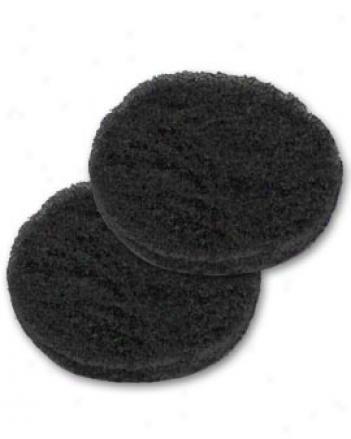
Filters: My box came with 1 filter and I bought a pack of 3 more just so we'd have no excuse to stop composting. Usually, each bin will have a place to put the filter and so you have to make sure you're buying the right ones. And even though in the link a pack is around  $10, they last for 3-4 months each. And you can probably get them for cheaper on the web or w/ a Bed, Bath and Beyond or hardware store coupon. Also, they do, indeed, work. 

- BioBag's Food Waste Bags: Oh, good ol' BioBag. Good for scooping cat and dog poo (NOT compostable). Good for lining your compost canister so it stays less icky. I got the Food Waste ones (~1 gallon) for around $7 at the hardware store, but it looks like you may be able to get them online for cheaper. We are looking into getting the 10-gallon bags to make a bigger compost

A word of warning though, since the bags are compostable, they do start breaking down in the heat so if your compost is too hot, be careful taking the full bag out. 

*NOTE: Not all "biodegradable" bags are compostable. Some are labeled as "biodegradable" because they are made of plastic w/ a chemical in them that helps them break down faster. These should NOT go in your compost b/c they're not made of plant matter. BioBags are made of corn so that's why they're compostablehere.

Soooooooooooooo, that's all you really need to start off with. Since once you throw all your waste in a BioBag and dump it in the appropriate bin! And away it goes!

I will try to get a guest writer here who actually goes through the whole process and uses the compost in her garden. And the next post will be about what is compostable and what is not. (If you're curious in the interim, check out The Compost Bin (in links on the right side) or Western Disposal's website.)  And eventually you'll get something that looks about like this!


Monday, April 19, 2010

Way to Go, Big Red!


Big Red gum has made a "revolution" in Gum-Wrapper technology! The "paper" wrapper! And this is a "new-enough" concept that they thought they should "advertise" it. See for yourselves:

Ok, there's a touch of sarcasm there, but really I am proud of them. If I were to write them a letter, it would say:

Dear Big Red,

While I may not have the same enthusiasm for your gum as I did in high school, I will chew you out of respect for your respect for our environment. Keep making a difference!
Sincerely,
Me.
P.S. Maybe next you can stop having your gum in individual wrappers. It gets stale eventually, anyway.

But, I'm glad that big companies (Wrigley's) are at least trying to do "something." That's where it all starts, isn't it? With a "something." And maybe this way, the "paper" can be composted or recycled. Who knows? The possibilities are endless when only 1 step toward change is made. (I have to keep telling myself that every time I go without a straw or use a ceramic plate.) Just one step at a time.


EDIT: Now with excessive quotation marks added for extra sarcasm!

Friday, April 9, 2010

Double Threat: Help the Environment & Yourself - AT THE SAME TIME!

Ok, I realize that I owe y'all a blog post about consuming, but things have been really hectic since I've gotten back from New Orleans. (I also have another post I want to write on  New Orleans and plastic waste. But that'll be later. For now I'll try to tide you over with an article I found.  I'll sum up the article here, but will also past the link.  This article gives you some tips on how to live healthier and less wastefully. And hopefully will post again soon!

Enjoy!


*****
One of the other topics that is near and dear to my own heart is our individual responsibility to  ourselves and our health, so my contribution for Blog Action Day is the following list of 3 simple ways to get healthy while saving the environment!

1) Leave your car in the garage!
I am not one of those people who thinks that cars are "bad" or that we shouldn't take advantage of the convenient as well as the fun aspects of having motorized vehicles. However, not to put too fine a point on it, but people have simply gotten lazy!

Do you need to take your car somewhere that is more than a few miles away? Usually, yes. However, do you need to take your car to the store that is just a few blocks or even a mile from your house? No.
Save money, lessen pollution, and get some exercise all at the same time by simply walking or taking a bicycle. What are you afraid of? That you'll work up a sweat? Good! Sweating is very healthy and all recent health studies point to the fact that elevating your heart rate for at least 20 to 30 minutes every day is not just a good idea, but that it could actually save your life.

So, even if you don't care about the environment, why don't you put the car keys down, strap on some walking shoes, or just go grab your bike and work up a sweat. Do it every day, and before you know it, you will be losing weight, having a higher level of energy, saving money, and {GASP} – you might even enjoy it!

2) Stop buying bottled water!
This is one of the biggest "end around" health issues that I have ever seen. Many years ago, someone decided (rightfully so) that we all needed to be drinking more water. However, the need for us all to drink more water does NOT mean that we need to keep buying bottled water in plastic bottles!

Pop Quiz: What is the one solitary substance that is physically impossible for the environment to break down?
PLASTIC! All of the plastic that there ever was is still here on earth, and every time you buy a plastic water bottle and then throw it in your trash can, you are contributing to the problem. I don't have the facts and figures about how many of these plastic water bottles are sold every day, but I'm sure it is a staggering amount.
Yes, you should drink water – and a lot of it. However, just buy one or two plastic drinking bottles that can be washed and refilled every day. If you need to buy three or four so that you always have plenty of water available, then do that. However, stop buying disposable plastic water bottles!
Does the term "reduce, reuse, recycle" mean anything to you?

Author's Note: There are also icky things in bottled water like e-coli, bacteria, choloroform and other fun stuff. Check out this study and the chart by the Natural Resources Defense Council (NRDC). I was going to do a whole post on bottled water...but maybe some other day.

3) Eat fresh food instead of frozen food
There is no real discussion needed about the fact that fresh food is more healthy for you than the packaged frozen food that people buy at the grocery store. There are innumerable health benefits associated with eating fresh food – especially fruits and vegetables.
However, in addition to the instant and obvious health benefits, let's look once again at the issue that was just mentioned – plastic. What do those Lean Cuisine and Weight Watchers frozen meals come packaged in? Plastic. How are those types of meals heated up? In the microwave. Ah yes, the microwave – you know, that massively power draining box that sits on top of your counter, using as much electricity as a television set, if not even more?  And what are the ingredients in all of those frozen foods? Chemicals. Those chemicals – other than being nothing less than poison for your body – are manufactured in a factory somewhere. That factory is using massive amounts of energy and it is also polluting the environment on many different levels.
By switching exclusively to fresh foods, you would:
  • Instantly increase your level of health 
  • Live longer
  • Stop putting more plastic into the environment
  • Help to put companies out of business that are polluting both our bodies and our planet
Given the 3 simple ways to get healthy and save the environment that I just listed, what are your thoughts? Do they sound something like this?
  • I'm only one person, what can I do?
  • Saving only a few miles per day on my car won't make much of a difference
  • I don't have time to wash and reuse water bottles
  • My schedule doesn't allow me time to eat fresh foods
If those are some of the responses that you have, then consider the following: Yes, you are only one person, but this is a collective effort. Imagine if a few BILLION people started making these efforts on a daily basis. If you save 2 miles per day on your car every day, that is over 700 miles every year. Even if your car gets 30 miles to the gallon, that is almost 25 gallons of gas pollution that you did not put into the environment – and that is only YOUR efforts over one year. Again, what if billions of people did that?

You DO have time to wash and reuse bottles and other eating and drinking utensils. It is just inconvenient, so you don't want to do it. Everyone can find a way to fit fresh foods into their dietary lifestyle. Again, it may not be convenient to do so, but there is a way. You just have to ask yourself if your health and the health of the very planet that you live on is worthy of your efforts…

Now that you have reached the end of this information about saving yourself and saving the environment at the same time, are you going to let it go in one ear and out the other, or are you going to take both personal and global responsibility and start making some changes?
As you consider that, let me leave you with one more quote:
"We are either part of the problem, or part of the solution." 


****


Here's the article's Link:  http://www.todayisthatday.com/blog-action-day-3-simple-ways-to-get-healthy-while-saving-the-environment/#Maryanne%20Comaroto

Wednesday, March 24, 2010

Change the World Wednesday - Reduce Packaging!

I got the title from a post I found on the Little Green Blog and since this is the reason why I started my blog I thought I'd post the tips from that site here and comment on how I'm doing with them.


Tip 1). Ditch the plastic carrier bag
Hopefully you’re all doing this already; but if not, why not treat yourself to a reusable bag this week? Find one you can keep in your bag, briefcase, car or pocket and set yourself the goal of remembering to use it. You might like an Onya bag which folds up inside itself and comes with a caribiner clip to attach to your belt loop, handbag or key ring. Or you might like to get a recycled bag, like these made from recycled rice sacks.

Me: Yup, I'm working on this. See my post "How I learned to stop worrying and love my reusable bag."


Tip2). Take your own container
If you use a local butcher, fish market or deli counter, take your own lidded containers with you. When y0u make a purchase as them to put your goods into your own container. This can reduce your packaging by a massive amount.

Me: I haven't done this yet, but I don't use a butcher/deli/fish market very often. I do buy stuff from the bulk bins and have been starting to save the plastic bags I get from there to reuse for the stuff later.


Tip 3).  Buy in bulk
If, for example, you buy one 5 litre container of fabric conditioner, the packaging weighs much less than five 1 litre containers. You’ll have to trust me on this - I’ve bought the goods and weighed them. I don’t remember the results now, but they were pretty impressive!

Me: I never thought of this before but I do try to buy things in larger containers b/c it's also a better value. So I guess I'll try harder now. And again, I've started using the bulk bins at the grocery store, so I think that helps too!


Tip 4).  Refills
Refills are not as popular now as they used to be, but they do exist. In ASDA some stores refill their own label fabric conditioner. Bio D and Ecover have refill stations around the country at health food stores and organic farm shops.

Me: I had no idea that this existed and I don't know if there are any around here, but it may be worth researching sometime. Has anyone heard of anything like this around the Boulder/Denver area? If so, please share!!


Tip 5). Shop naked
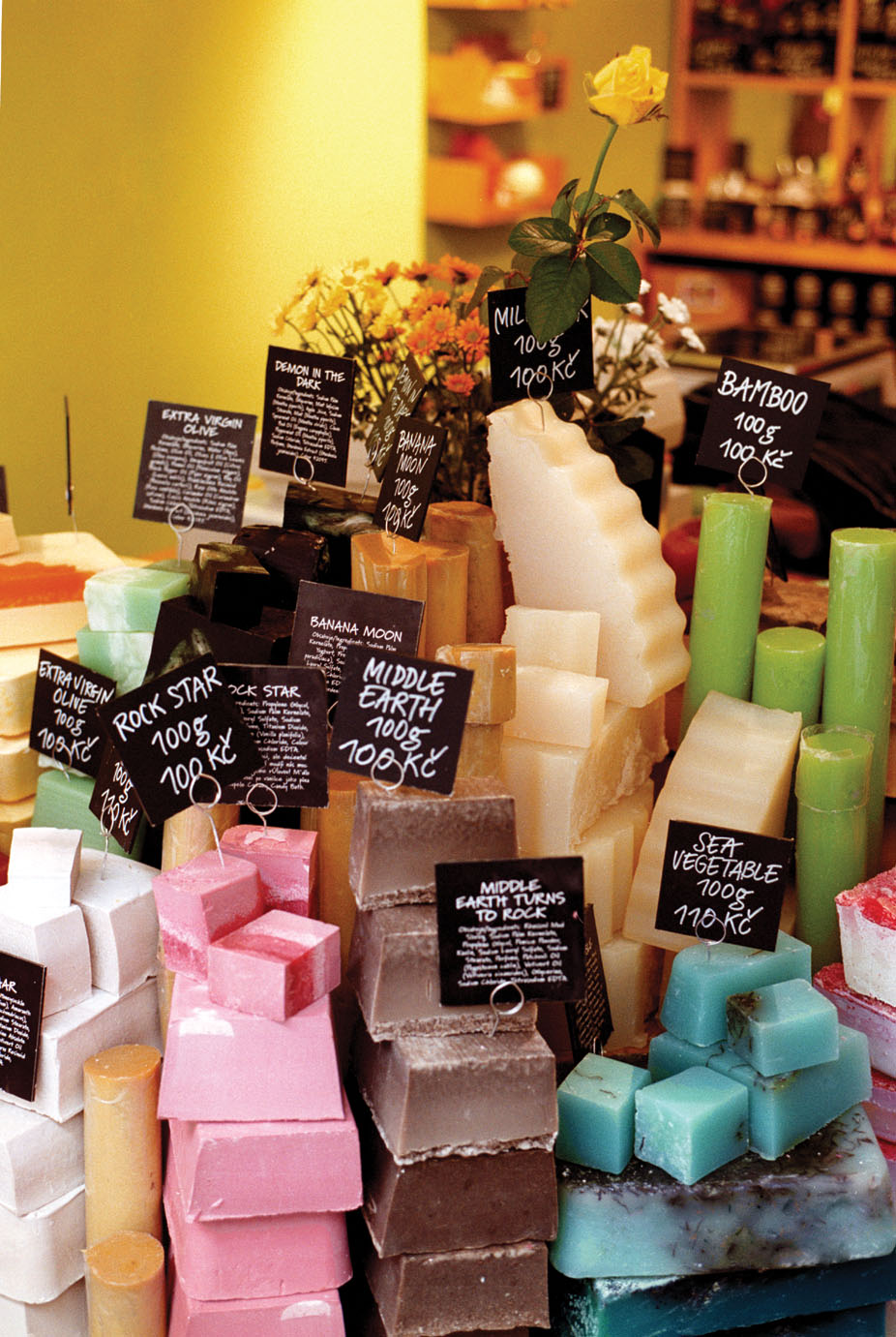
Buy loose goods wherever possible; sign up for a box scheme or use a farmers market. Use a company like LUSH who sell soap and shampoo bars without packaging.

Me. When I first read title of this tip I was like "WHOO-HOO! OH YEAH! Only in Boulder!" However, the author was obviously not implying that *I* shop naked (don't really know how that would help the environment anyway) but that I should buy good w/o packaging. I guess I can say that I do this w/ vegetables since I don't usually get bags to hold them in (unless they're really wet like lettuce or fragile like tomatoes). And I found recently that Ellie's Eco Home Store in boulder sells a 3-pack of mesh veggie bags for about $7.99. Which I definitely intend to buy soon. Also, we do have a Lush in Boulder on Pearl St. and I do love me some soap. Although, if you really get down to it, I could just make my own soap.  And I do also love me some summer farmer's market. CAN'T WAIT TILL SUMMER YEAH!
 

Tip 6).  Returns
When I was a child, many glass bottles has a 10p deposit on it. Alas this is no longer the case, but you can return your empties to Neals Yard and you’ll get something towards your next purchase. Elin at Nothing Nasty will accept your glass bottles for refilling and give you a huge 20% discount off your next purchase.

Me: This tip makes me think that the author of this post is living in England. Unless America switched its currency and I didn't even notice....Again, I don't know much about doing this around here in America, but it would be worth researching. I do have a friend who makes bath stuff and lotions and she will give you a discount if you return her bottles/jars - check her out at Om Shanti Handicrafts!

Here's the link in case the post title link is too complex for some: http://littlegreenblog.com/blog/green-news/reduce-packaging-waste-this-week/#more-2165.

While writing this post I thought of a couple other ways to reduce packaging but haven't had a chance to do any extensive research on them yet. If anyone knows anything about these, again, don't be shy! Post away!


7). Reusable mugs and cups would also be good way to reduce your waste. Also drinking/eating "for here" rather than "to go" at a restaurant. Some places will give you a ceramic mug or ceramic/reusable plastic dishes and silverware. (I want this cup, btw. It's totally cute!! I'm sure you're definitely seeing a trend in me putting cats into every single post?)


8). One thing that I was wondering about is the packaging for children’s toys. My Honey's daughter got a lot of birthday presents this and each one was plastic wrapped in plastic. I would love to find a way to reduce this plastic waste. I’d also be open to the idea of recycling it, because at least that’s better than it going in the garbage. I was thinking Ebay might be a good place for kid’s toys, especially if you’re buying gently used toys. Then your child could still get the benefit of the latest toy and you can feel good about the lack or reduction of plastic you’re receiving. I also heard that it’s possible to make package-less purchases on Amazon (I think the dog bags I bought, while not corn starch, are just packaged in 1 cardboard box). Does anyone know anything about this?

Anyway, I'd love to hear what YOU are doing to reduce your waste (eating less or holding it all day doesn't count!) so please post!

Sunday, March 21, 2010

Compostable Bags - How much is too much?

On a side note, I'm going to try to title every post with some over-used catchphrase because I think people like that....or something.

(I was hoping to save my compostable bag post for a time when I learned more about them, but I had an experience yesterday that needs attention)

One of my ECO-goals is to go back to buying biodegradable bags instead of plastic shopping bags for scooping my cat litter. (And also using these for the trash can as well). Aside from being more eco-friendly, they also never have holes in them like 90% of grocery bags seem to. I was originally using BioBags that you can buy at Safeway, Sunflower Farmer's Market, McGuckins and other supermarkets or home-improvement stores.  These are slightly expensive at around $5.00-$7.00 for 30, though that is expected.  These come in a cardboard box, which can be recycled.

Recently, I have noticed how many bags my boyfriend (we'll call him M.a.t.h - Man around the House) uses for picking up his dog's waste so I decided to check the Whole Pets store in my area (a store that specializes in all natural/sustainable/eco and pet-friendly food and accessories) to see if they had biodegradable bags in the little rolls.  I thought these would also be good for the cat litter, so we could kill two animals' poop with 1 kind of bag (as they say).   Well, whole pets does sell several different brands of these bags and I opted with Bags on Board.  They were more expensive than I would like at $14.99 for 120 bags (8 rolls) so I also bought a package of Pooch Pickup, 30ct for $3.99 that weren't in the rolls so were slightly cheaper.   

When I opened up the box of Pooch Pickup here is what I found. YES! The BIODEGRADABLE bags were packaged in a presumably NON-BIODEGRADABLE plastic zip-bag. Why? It's not like these bags are food that will go stale if they're not sealed properly. What's the point in making biodegradable bags then store them in regular plastic?  Why couldn't they have made the bag holding the bags biodegradable? Or, why not just skip that whole step and store them in cardboard? At least that's recyclable.  Then as I started to think about it, the Bag on Board that I bought were also encased in plastic. I guess, maybe, if they are trying to let the consumer SEE what the product is, and since biodegradable products are not as strong as plastic products, then I can sort of understand the reason for the Bag on Board plastic. I guess the reasoning is "Well you're throwing away one plastic bag, but you're saving 120 plastic bags." Even so, I am thinking about writing the Pooch Pickup company and letting them know that they are going against their advertisement by using plastic at all.

Interesting factoid: In doing research for this article I learned something very interesting about biodegradable bags. The Bag on Board and Pooch Pickup brands are actually two different kinds of biodegradble. I found an article on The Compost Bin that breaks it down (pun intended) in great detail, but I will sum up here. There are 2 kinds of "biodegradable" bags. One - Pooch Pickup/BioBags- is made of corn starch (no petrol products) and breaks down in around 180 days and is ok to throw in the compost. The other - Bag on Board - is an additive-based plastic bag which has a chemical that causes it to break down in 6 mos-2 years (vs. ~100 yrs or whatever) but release CO2 into the environment while doing so. The former seem to be the "good" kind whose only drawbacks are that they are not as strong or rugged as plastic and they may reduce the amount for consumption of the foods they're made from (corn/potatoes). The latter seem to be known as the "bad" kind because they're still made of plastic.

HOWEVER.....thanks to Amazon.com, you can get 880 PURPLE bags on rolls for $23.93.  And the 120ct that I bought at Whole Pets for $14.99 goes for $7 on Amazon. Whereas, on PoopBags.com (not kidding about the name, check out the link!) you can get 480 BioBag dog bags for $82.99!!! Yikes. And double yikes. Especially when you have to pick up every single mess your dog makes individually.  My M.a.t.h. says he uses about 2/day  which equals 60 bags a month! That's 1/2 of the Bag on Board package (~$7), 2 Pooch Pickup boxes or 3 BioBag rolls, so roughly $8-$14.25/mo or $84-$171/year just on dog bags. Throw in use for cat litter boxes and you've got another 3-5 bags/week. That's A LOT of bags. Who has that kind of money?

Well, after reading the reviews on Amazon, I went ahead and bought the 880 purple bags.  I figure that on my budget it's better to do this (for now) than not do anything.  Also after reading the reviews, I think more people need to be made aware of the difference between "biodegradable" and "compostable" because I would think that the Bag On Board bags WOULD NOT be good for a compost bin. (Though, I'm sure very few people put dog poo in their compost. Yuck.) I still believe that everyone should use these bags at least, and the starch ones if you feel you can afford it, because every little bit helps.

I will, however, stick with BioBags when I start buying trash can bags and also if/when I start composting.  For dog and cat bags, though, the number of bags + the price + the still lessened impact on the environment still make these bags a win for me. And who knows? Maybe someday I'll be able to afford not only the corn starch bags but also an assistant who will pick up the poop for me. A girl can dream. ;-)

Thursday, March 18, 2010

How I Learned to Stop Worrying and Love My Reusable Bag (With kitties)


My cat Sherman may make a good case for disposable bags, but I have to speak to the contrary. Even though paper bags ARE slightly better, (at least they were in the past) b/c they're more reusable (hamster cages)/recyclable than plastic (though now if you take your bags to the grocery store they will supposedly "recycle" them for you. There will be a whole other rant about this later...).

But what's even better than paper bags? Canvas bags! These bags can be reused time after time after time. The ones you buy from stores are usually fairly large and sturdy and most have a plastic bottom(though, you can really get any type of cloth bag which means that they can be any size you desire). Also, they are cheap - usually $0.99 or less. I got a really cute one on sale at Pier 1 for $0.69! SO they can also be stylish (for those of you who are concerned with such stuff) and look MUCH better than those white, gray and brown crinkly plastic ones. The bag on the bottom right, in particular, was apparently designed for Whole Foods by Sheryl Crow: pop-singer extraordinaire. Or whatever. They also fold up relatively small. Whole Foods sells an amazing one - the bag w/in a bag. I got one of these recently and LOVE IT! It was slightly more expensive at about $3.99 but has miraculously lessened my no-bag-carrying woes! It has really paid for itself and more in lack of stress. Mine is similar to the bottom left bag, but has one crucial improvement: It's made of more tent-like material rather than canvas and its little carry sack is attached right to it so that it just folds into itself when you're done using it. It also has a draw-string on the carry sack and a mini caribener so you can clip it onto your belt loop if you want to look *really* cool. Canvas bags in general are also just plain useful for schlepping stuff to and fro. GO CANVAS!

EDIT: Also, some stores give you a discount like $0.10 total or per bag on your purchase if you use canvas. At Whole Foods I think you can also donated that bag credit to their charity du jour. (Thanks Kirin).

Ok, now you're probably thinking "OK, I got the bags - now how the HECK do I remember to use them?" Well, it's going to take some practice but I know you can do it! What I do is keep them all in the trunk of my car at all times and when I take them home w/ groceries, I make sure to put them someplace really obnoxious (like right in the walk way) to help me bring them back out when I make my next trip to my car. Then you'll always have them when you decide to do that spur-of-the-moment shopping trip after work. Also, if you have lots, it'll even the odds of having one in your car EVEN IF you've left some at home.

"Well that's all well and good" you say, "But what if I go in only planning to buy 1 thing but end up with 5 or 10?" If you're a woman or a man who has a man-purse affinity (or if you carry a backpack, satchel, baby backpack, briefcase whatever), you can make the tiny Whole Foods bag a permanent fixture in your bag b/c it's really light and very squishable. I have come to depend on my squishy little bag. Like today, for example, I pulled out ALL the contents of my purse at the checkout count in Whole Foods to find my bag for my items. And as it turned out, I had forgotten it and had to use a paper bag anyway. D'OH! OH well, nobody's perfect!

"But you're assuming that everyone is so together that they always remember their bags." No, I'm not assuming that at all. Actually, I'm assuming that since you're reading this blog, you are dedicated enough to give this a try. There has been many a time when I've grabbed a cart-full of groceries and then realized: "CRAP! My bags are in the car!" So what did I do? I told the lady that I was going to park my cart by her aisle to run out and get my bags. I've done this in the rain, snow, sleet, 10pm, etc. You just have to have enough discipline to do it. There have also been times where I just plain forgot a bag and had to hand carry out the stuff I bought.This is why big purses are GREAT!

I've also been that obnoxious customer who's told the cashier AFTER they've bagged my stuff "OH, I brought my own". As long as you apologize sincerely they shouldn't be jerks to you. And if they are, well, that's their deal I guess. (ok, only 1 or 2 bags. If I forget and get 10 bags worth of groceries I'll take the hurt not the nice cashier). The key to all of this is that you really just have to do it. Spend the extra $1-$4 and recognize the guilt you get when you forget them. And you WILL forget. Lots. Especially at first (I still do). But just keep at it and eventually it'll become (almost) second nature. And if you don't use reusable bags? Then you're a bad person...ok, not really. But if you make yourself feel bad for not doing it, then don't not do it!.... And if you don't feel bad then...why are you still reading?

And as for Shermie, well, these bags don't make as satisfying of a crackling sound, but they are still big and dark and fun to crawl into. We all win.


This Video is from Lucrezia and it's brilliant:

Tuesday, March 16, 2010

The Start! (Insert dramatic music here)

Ok, I'm going to try to update daily or weekly with my waste numbers and with anything I've done to cut back. I'll also (hopefully) continue to update my goals as they are completed. Eventually, I will go into more detail about each of these things and give tips and other experiences I have.

So here's the first installment.

What I've done already to be green:

1). Use my own bags at the grocery store or don't get a bag whenever possible. I do this to the point of carrying a collapsible shopping bag in my purse at all times.
1.5). When/If I do need a bag, I try for paper.
1.75). Try to avoid even produce bags for anything not wet/loose/fragile.
2). Don't drink bottled water whenever I'm near a tap (and the water is decent/good. Boulder water, for example, is quite nice!)
3). Use ceramic dishes or tupperware instead of paper/plastic/baggies.
4). Rinse/reuse Ziplocs if not too nasty.
5). Take stairs instead of elevator - this is good for my health too!
7). Donate used cat toys/supplies, blankets, clothes etc. to the Humane Society, shelters and thrift stores
8). Recycle glass, paper, plastic, metal
9). Turn off lights whenever possible
10). Use dish towels/sponges instead of paper towels as much a possible.
11). Bought a reusable "take out" cup for cold drinks (and have some for hot).


My ECO-Goals:
1). Compost - apartment complex might have this soon.
2). Buy biodegradable bags for kitchen, cat and dog waste
3). Bike/walk/carpool more places including sharing 1 car w/ my Honey.
4). USE my reusable mugs.
5). Carry a water bottle around to avoid need for plastic water cups.
6). Cut Ziploc/plastic wrap useage down as much as possible.
7). Switch to mostly glass storage containers.
8). Buy local/organic produce more
9). Help other ppl see the benefit in doing at least one of the things in either section.

Waste for Day 1:
1). Bought Honey's daughter new shower curtain and hooks which came with 2 separate pieces of (non-recyclable) plastic. Curtain came with cardboard that I can recycle and a zippered bag that can be reused.
2). Got salad which came w/ tinfoil for pita and a plastic container with sauce. Didn't have a recycle number on it.
3). Got Styrofoam takeout container at lunch. That will be trashed.
4). Various other plastic-food packagings and paper napkin trash.

Ok, well that's a start. I will also be posting YOUR green solutions on this blog (anonymously) so send 'em in!

What Going Green Means to Me

When it comes to conservation, no one is perfect. We're all busy, preoccupied, broke and lazy. But if you stop to think, for just a few minutes, about our impact on the environment you might be surprised at all the waste you produce and all the little ways you can avoid it. Statistics like "The average person produces 4.4lbs of waste a day or 29lbs of weight a week" (source) are all over and sound big but don't really hit home with many Americans.

Why is this?

Because I doubt that most people can really conceptualize 4.4lbs. A bag of flour and a newborn baby, for example, are usually bigger than 4.4 lbs. "Besides, those things are so SMALL. So what's the big deal anyway?" They think. Well then, how about 29lbs? A toddler, maybe? I can't really think of anything else off-hand at that weight. Even if you did the ol' 29lbs/wk * 52 weeks in a year = 1,508lbs. How much is that, really? The number looks big but do you know if it is a ton? I sure don't. And even if I did, would a ton really mean anything to me either? All I think of for "a ton" is one of those cartoon anvils falling on Wile E. Coyote. So, that's not helpful.

Hence my point that statistics are not all that useful. However, I dare you to catalog all the waste you make every day for a week - all the "disposable" kitchen ware you use, all the plastic wrappers, office supplies, packaging for kids toys, tag attachments etc. etc. That's not even including all the paper, glass, metal and food waste. Now THAT hit home for me.

What hit me even harder is how so much of that stuff can be avoided. How many times to do go to a fast-food type place and just get water? There's one disposable plastic cup right there. Why not just bring a water bottle? It's still water. Or how often do you just get absolutely fed up with plastic shopping bags exploding from whatever receptacle you try to cram them into and just throw them away? That can be avoided with cloth shopping bags - they hold 2x as much and can be used for SO many things.

These were the little things that I thought of and said "Hey, I can do that!" Of course, it takes a bit of remembering and discipline to overcome my laziness and go back to my car when I've forgotten my reusable bag, but the satisfaction I have when I return with a week's worth of groceries in 3 non-plastic bags is totally worth the extra 5 minutes. And even though sometimes I am too tired to care or forget and end up with a plastic bag or two, I've gotten into the habit. Nowadays it seems very hard to forget this.

However,, I've noticed the amount of waste that I still produce and am looking for other ways to cut down on that. So welcome to my blog where I'll log all the waste I make and try to find solutions. I'll also post the anti-plastic things I'm working on doing with tips on how to do them effectively as well as my future green goals.

Like I said, no one's perfect but if we strive to be a little MORE perfect, it'll make a world of difference